


If you have already 'been there, done that' with the most popular tourist spots in Seoul, I strongly recommend a full day of history and cultural immersion in Gyeongju. Gyeongju was the 2025 APEC summit host-city.
When you visit Gyeongju, you’re in for one of the most rewarding cultural experiences in Korea. Often called “the museum without walls,” Gyeongju is packed with UNESCO World Heritage sites, royal tombs, ancient temples, and charming cafes, all within a surprisingly compact area.
Whether you’re traveling from Seoul or Busan, this guide covers how to get there, the top Gyeongju attractions, and where to eat and relax to make your day seamless and memorable.
First, you have to get there, so
From Seoul to Gyeongju
KTX Train (Fastest)
👉 Tip: Book KTX tickets early for better seat availability.
Express Bus
👉 Tip: If you take the express bus, the bus driver will definitely stop by the rest area on the way. Make sure to check out my top foods to try.
From Busan to Gyeongju
Train
👉 Tip: Book KTX tickets early for better seat availability.
Intercity Bus
Now, if you have arrived in Gyeongju, let's get started!
If you prefer a guided tour, we recommend this tour.
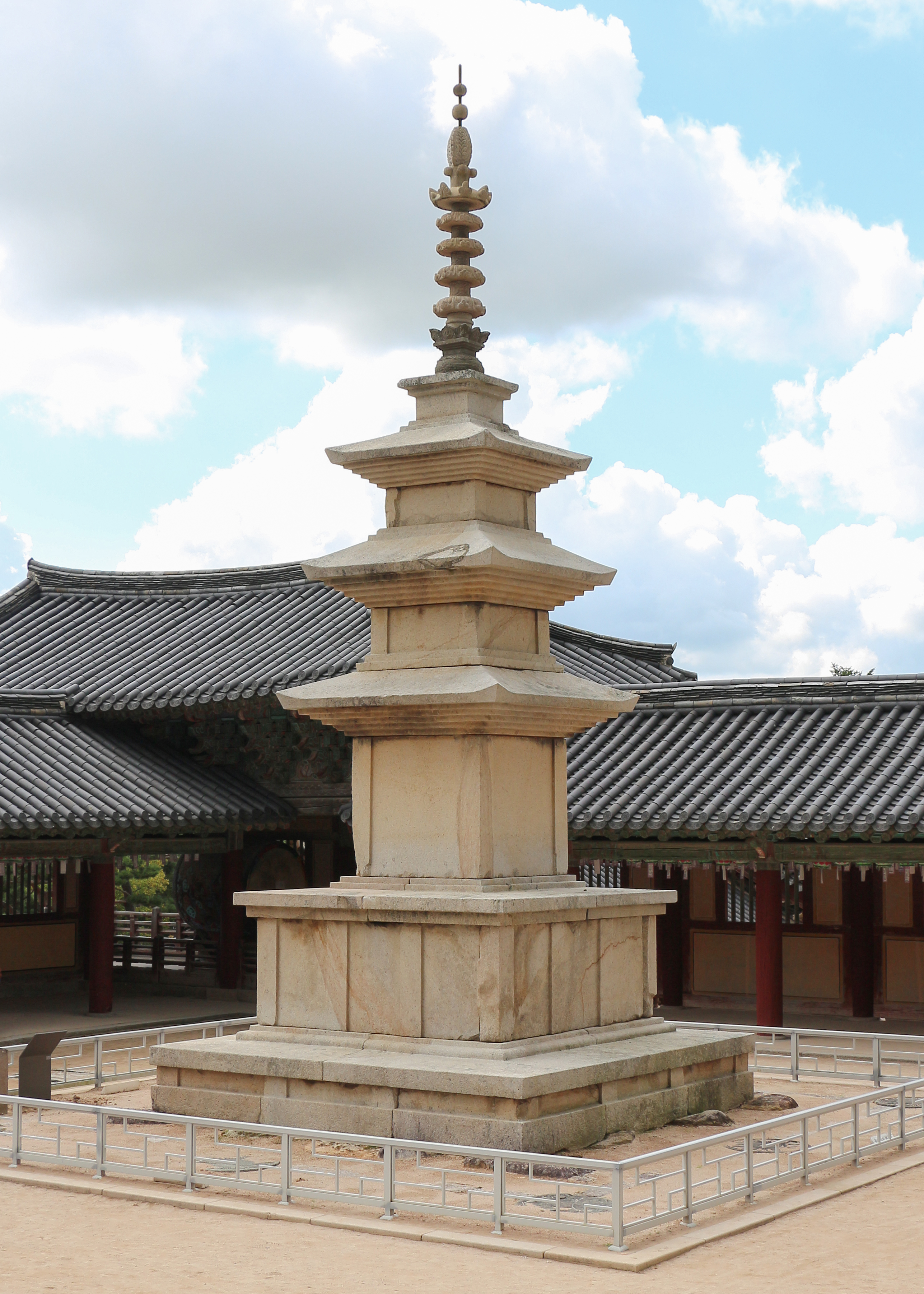
Bulguksa Temple is the most iconic of all Gyeongju attractions and a UNESCO World Heritage Site that represents the spiritual heart of the Silla Dynasty. Nestled on the slopes of Mount Toham, the temple is famous for its stone pagodas, refined symmetry, and peaceful mountain atmosphere. It’s a must-visit stop on any Gyeongju day tour, especially for first-time visitors.
Why Visit Here
One of Korea’s most important UNESCO World Heritage sites
Home to the famous Dabotap and Seokgatap stone pagodas
Offers a calm, scenic introduction to Gyeongju’s Buddhist history
What to Expect Here
Wide stone stairways, temple halls, and historic pagodas
Easy walking paths suitable for all ages
Beautiful seasonal scenery (especially spring blossoms and fall foliage)
Time Needed: 1–1.5 hours

Yangdong Folk Village is a UNESCO-listed traditional village that preserves the lifestyle of Korea’s Confucian aristocracy during the Joseon Dynasty. Unlike reconstructed folk villages, this is a living village with original hanok homes, academies, and centuries-old family lineages. It’s an excellent cultural stop for travelers looking to go beyond the main tourist circuit.
Why Visit Here
One of Korea’s best-preserved traditional villages
Authentic hanok homes set in a rural landscape
Less crowded than major tourist villages
What to Expect Here
Gentle uphill walking paths through historic homes
Scenic viewpoints overlooking tiled rooftops
A quiet, immersive atmosphere
Time Needed: ~1 hour

The Daereungwon Tomb Complex is a vast park filled with large grass-covered royal tombs from the Silla Dynasty. These distinctive mounds define Gyeongju’s skyline and offer a rare chance to walk among ancient royal burial sites in the middle of the city. The highlight is Cheonmachong, one of the few tombs visitors can enter. Just a quick tip, if you are traveling with kids, make sure they don't climb the tombs (since they look like hills, it's tempting for them)
Why Visit Here
An iconic symbol of ancient Gyeongju
Central location near many major attractions
Offers insight into the Silla royal burial culture
What to Expect Here
Wide walking paths through grassy tomb fields
Interior exhibits inside Cheonmachong
Great photo spots, especially on clear days
Time Needed: 40–50 minutes

Donggung Palace and Wolji Pond, often called Anapji, is one of the most beautiful Gyeongju attractions—especially at night. Once a secondary palace for Silla royalty, the site is famous for its illuminated pavilions reflecting over the pond. This is a must-see evening stop on any Gyeongju day tour.
Why Visit Here
One of the best night views in Korea
Historically significant royal palace site
Highly photogenic after sunset
What to Expect Here
Calm, flat walking paths around the pond
Nighttime lighting and reflections
Romantic and relaxed atmosphere
Time Needed: 40–50 minutes

Hwangnidan-gil is Gyeongju’s trendiest neighborhood, blending traditional hanok architecture with modern cafés and boutiques. It’s the perfect place to rest between attractions, grab coffee, or enjoy dessert during your Gyeongju day tour.
Why Visit Here
Stylish hanok-style cafés and shops
Central location near Daereungwon and Cheomseongdae
Great food and coffee options
What to Expect Here
Short walking distances between cafés
A mix of traditional and modern interiors
Busy atmosphere on weekends
Time Needed: 45–60 minutes
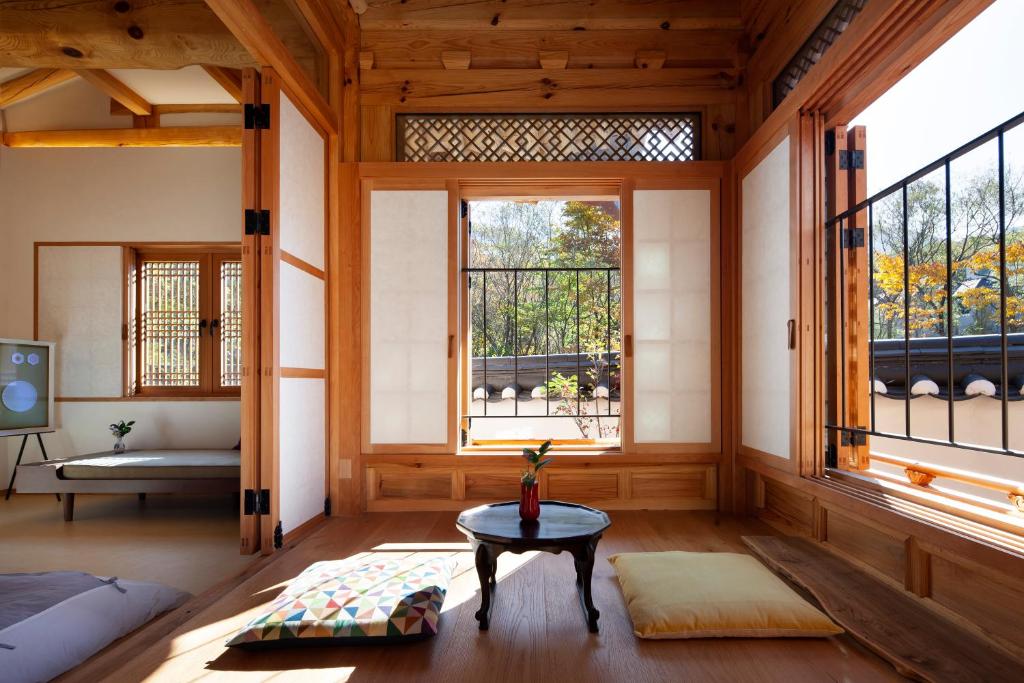
A Gyeongju hanok stay lets you experience traditional Korean architecture while staying close to major attractions. Many hanok accommodations are located near Hwangnidan-gil, making them ideal if you extend your trip beyond a single day.
Why Visit Here
Unique cultural lodging experience
Quiet evenings after the day tourists leave
Beautiful traditional interiors
What to Expect Here
Ondol floor heating and futon bedding
Modern bathrooms in a renovated hanok
Peaceful nighttime atmosphere
Time Needed: Overnight
Here are a few hanok stay recommendations
Soi Hanok Stay - 5 minutes from Hwangnidan-gil. Highly rated on many travel sites.
A Gyeongju day tour offers something rare in Korea - deep history, walkable attractions, great food, and beautiful scenery, all without the crowds of Seoul. Whenever I visit this city, I also find it very peaceful, and it is one of my favorite 'quiet and beautiful' places in Korea.
If you have extra time, staying overnight in a Gyeongju hanok stay elevates the trip even further, so you can focus on enjoying Korea’s ancient capital at your own pace.
Leave a comment